Do you look for 'how to write 3 in chinese'? You will find the answers here.
Table of contents
- How to write 3 in chinese in 2021
- Things to say in chinese
- How to write 10 in chinese
- How to write 1 in chinese
- How to say one in chinese
- How to write 2 in chinese
- How to write 5 in chinese
- Goodbye in chinese
How to write 3 in chinese in 2021
 This picture demonstrates how to write 3 in chinese.
Things to say in chinese
 This picture shows Things to say in chinese.
How to write 10 in chinese
.svg/1280px-Romance_of_the_Three_Kingdoms_(Chinese_characters).svg.png "How to write 10 in chinese") This image demonstrates How to write 10 in chinese.
This image demonstrates How to write 10 in chinese.
How to write 1 in chinese
 This picture demonstrates How to write 1 in chinese.
How to say one in chinese
 This image representes How to say one in chinese.
How to write 2 in chinese
 This image illustrates How to write 2 in chinese.
How to write 5 in chinese
 This picture representes How to write 5 in chinese.
Goodbye in chinese
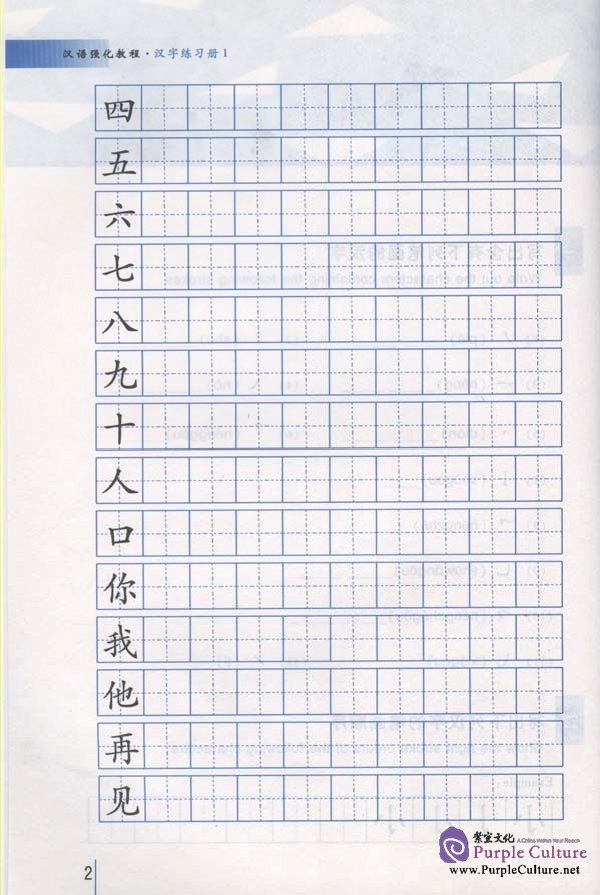 This image demonstrates Goodbye in chinese.
How to count from 3 to 5 in Chinese?
Three (3) is 三 sān. Four (4) is 四 sì. Five (5) is 五 wŭ. Continue counting from 6 to 10. Once you can say and write the characters for the first 5 numbers, move on to the numbers 6 through 10. Practice them the same way you practiced the numbers 1 through 5 until you have them memorized.
Which is the correct way to write numbers in Chinese?
Writing the numbers in Chinese is simple as most characters are made of few strokes. Although the basic Chinese Number system is used widely, the Arabic system (what we are used to) has also been adopted due to convenience. Prices at the stores for example, are also quoted using the Arabic system.
What's the best way to learn Chinese to write?
In Chinese this is not the case. When you're just starting out, every sound, character, and word seems new and unique. Learning to read Chinese characters can feel like learning a whole set of completely illogical, unconnected “squiggles”! The most commonly-taught method for learning to read and write these “squiggles” is rote learning.
What are the first three characters in Chinese?
The first three characters are perhaps the easiest to remember because they are the same number of lines as the number they represent. One (1) is 一 yī. Two (2) is 二 èr. Three (3) is 三 sān.
Last Update: Oct 2021